

No one can question how important trees are. They enhance our cities and landscapes, provide food and shelter for birdlife, improve air quality, and add to the beauty of our surroundings. However, when trees disrupt walls or foundations, block sunlight, obstruct views, or pose safety hazards, they become more of a burden than a benefit. Whether you’re a homeowner with growing concerns about a tree, a developer preparing a site, or a landscaper redesigning an outdoor space, it's crucial to understand the process for tree removal in New Zealand.
Our complete guide will cover everything you need to know about tree removal in NZ, including legal requirements, practical steps and environmental considerations. By the end, you’ll have a clear path for safe, responsible, and legal tree removal in New Zealand.
Common Reasons for Tree Removal in NZ
Tree removal in NZ is necessary when a tree poses a safety risk, interferes with property or utilities, is diseased or decaying, or needs to be cleared for landscaping or development. Understanding these reasons helps you decide when removal is the safest and most cost-effective option.
1. Safety Concerns
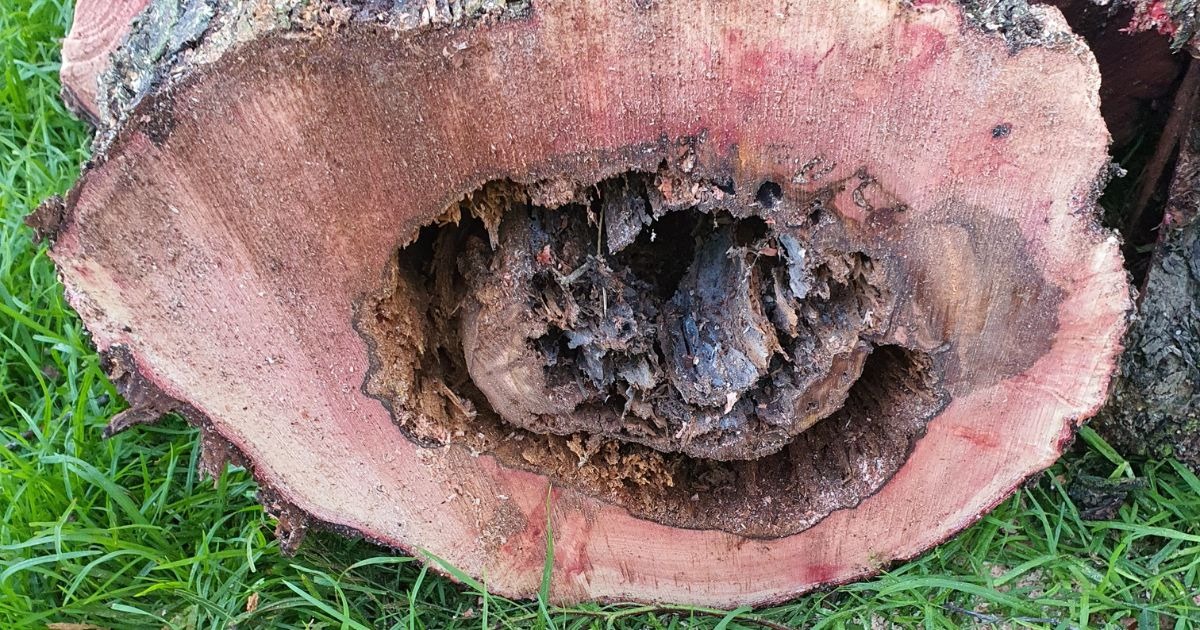
Trees with decaying trunks, unstable roots, or overhanging branches pose a serious risk, as they can fall during storms or unexpectedly drop limbs on people and property.
2. Interference with Property or Utilities
Roots that invade plumbing, break through pathways, or damage building foundations are among the top issues we hear about from our customers. Similarly, overgrown branches can obstruct power lines or rooftops.
3. Disease or Decay
Diseased trees can spread problems to surrounding vegetation, compromising the health of your garden.
4. Landscaping Purposes
Whether you’re making room for new construction or enhancing the aesthetics of a property, tree removal is often necessary as part of a landscaping design overhaul.
Tree Protection Challenges
In Auckland, some trees are protected due to their zoning, such as those along the coastal band. Additionally, a very small percentage of trees are listed and protected for their cultural heritage value. To check tree protections, use the council GIS viewer, contact the council directly, or reach out to Growth Maintenance for assistance.
Tree Removal Laws and Regulations in New Zealand
Tree removal in NZ is regulated to protect native and significant trees. Before starting, check:
- Local council rules and the Resource Management Act (RMA)
- If the tree is protected or requires a permit
- What documentation is needed for compliance
Protection of Native Trees
Many native trees, including Pohutukawa, Kauri and Kowhai, are protected and cannot be removed without permission. Under the RMA, local councils have the authority to enforce rules about tree removal. This can include listing individual trees or groups of trees under a district plan for special protection.
Local Council Permissions
Before removing a tree, always contact your local council to check the regulations in your area. You may need a tree removal permit, especially if the tree is large or has cultural or environmental significance. Applications often require documentation, such as photos and reports from registered arborists.
Penalties for Non-Compliance
Illegal tree removal can result in steep fines. For instance, chopping down a protected tree without consent can incur penalties exceeding $10,000. Always ensure you follow the correct processes to avoid legal trouble.
Key Considerations Before Removing a Tree
Before removing a tree, consider alternatives like pruning or transplanting. Assess the tree’s health, environmental impact, and whether removal is truly necessary for safety or property reasons.
Environmental Impact
Removing a tree can change the local ecosystem. Birds may lose their habitat, and the surrounding environment may suffer from increased soil erosion. If feasible, consider replanting native trees to maintain biodiversity.
Assessing Tree Health
Signs of disease, such as discoloured leaves, fungal growth, or decaying wood, might make removal unavoidable. Consulting with a qualified arborist is essential to assess the tree's health accurately.
Alternatives to Removal
- Pruning might address shading or overgrowth concerns without the need for removal.
- Transplanting allows the tree to live on in a different location. Though challenging, this option can work for certain tree species.
Tree Removal Costs in NZ: What to Expect
Knowing the cost of tree removal helps you plan and avoid surprises. Prices vary based on tree size, site access, and risks, but understanding these factors ensures you choose the safest and most cost-effective solution.
Indicative Tree Removal Costs
These price ranges are a guide only. The final cost will depend on the specific factors of your job.
- Small tree (under 5m): $250 – $500
- Medium tree (5–10m): $600 – $1,200
- Large tree (10–20m): $1,500 – $3,000+
- Very large or complex removal (20m+ or near hazards): $3,000 – $10,000+
What Factors Influence the Cost?
Several key factors determine the final price of a tree removal job:
- Tree Size and Species: Larger trees require more time, equipment, and safety controls. Some species are harder to dismantle than others.
- Site Access: Difficult access for machinery, such as a narrow driveway or a backyard location, can increase labour time and costs.
- Risks and Hazards: Trees close to houses, power lines, fences, or public paths require complex rigging and traffic management, which adds to the cost.
- Stump Grinding: Removing the stump is usually a separate cost. We can include this in your quote if required.
- Waste Removal: The cost of chipping and removing all green waste from the site is also a factor.
DIY Tree Removal vs Hiring Professionals
Choosing between DIY and professional tree removal depends on the tree’s size, location, and risks. Weigh the safety, legal, and cost factors before deciding which option is right for you.
When Can You DIY?
Removing smaller trees on private property, such as young saplings with no council restrictions, may be manageable for the average homeowner. Essential tools include a saw, safety gloves, goggles, and a hard hat.
However, even if you decide to do it yourself, you should exercise extreme caution. Climbing trees, using ladders, and operating chainsaws are risky without experience.
Benefits of Hiring Professional Arborists
- Safety and Expertise: Professionals are trained to handle hazardous situations, such as trees near power lines or large overgrown specimens requiring complex cutting techniques.
- Legal Compliance: Arborists ensure all regulations around permits and protected trees are adhered to.
- Cost-efficiency: While initially more expensive, hiring experts like Growth Maintenance reduces the risk of damage to property and personal injury, saving you money in the long run.
Growth Maintenance provides reliable and affordable tree removal services throughout Auckland. Whether you’re dealing with structural damage, diseased trees, or landscaping needs, their expert team ensures safe and effective removal.
Safety Measures During Tree Removal
Safety during tree felling protects people and property. Always use proper equipment, follow safety protocols, and consider professional help for complex jobs.
Personal Safety
- Wear safety gear, including helmets, gloves, heavy-duty boots, and goggles.
- Never operate heavy machinery without proper training.
- Avoid working in adverse weather conditions to reduce risk.
Property Safety
Use ropes or guides to control the direction of falling branches. Safeguard nearby structures like fences, roofs, or utility lines by clearing the area in advance.
Disposing of Tree Waste
Be mindful of council rules for green waste disposal. Many councils offer collection services, while branches and trunks can often be repurposed as firewood or mulch.
How Professional Tree Removal Works in NZ
Hiring a professional arborist means your tree removal is safe, compliant, and efficient. Knowing the process helps property managers and homeowners plan with confidence. Here’s what to expect from our service:
- Site Assessment and Quoting: We visit your property to assess the tree, identify any risks (like proximity to buildings or power lines), and discuss your goals. We then provide a clear, itemised quote so you know exactly what is included.
- Consent and Compliance Check: We confirm the tree’s status and whether any council consents are required. If you manage multiple properties, we can help streamline this process to ensure all work is fully compliant.
- Scheduling and Communication: Once the quote is approved, we schedule the work at a time that suits you. We communicate clearly about arrival times and what to expect on the day, coordinating with tenants or body corporates as needed.
- On-Site Safety and Removal: Our team arrives with all necessary safety equipment and establishes a secure work zone. The tree is carefully dismantled in sections, using advanced rigging techniques to control each piece and protect your property.
- Site Clean-up and Waste Removal: After the tree is down, we process all branches and logs through a wood chipper. We leave your property tidy, with all green waste removed, unless you have requested to keep firewood or mulch.
After the Tree Removal
After tree removal, it’s important to restore and maintain your site. Here are the key steps to ensure your property remains safe and tidy.
Tree Stump Removal
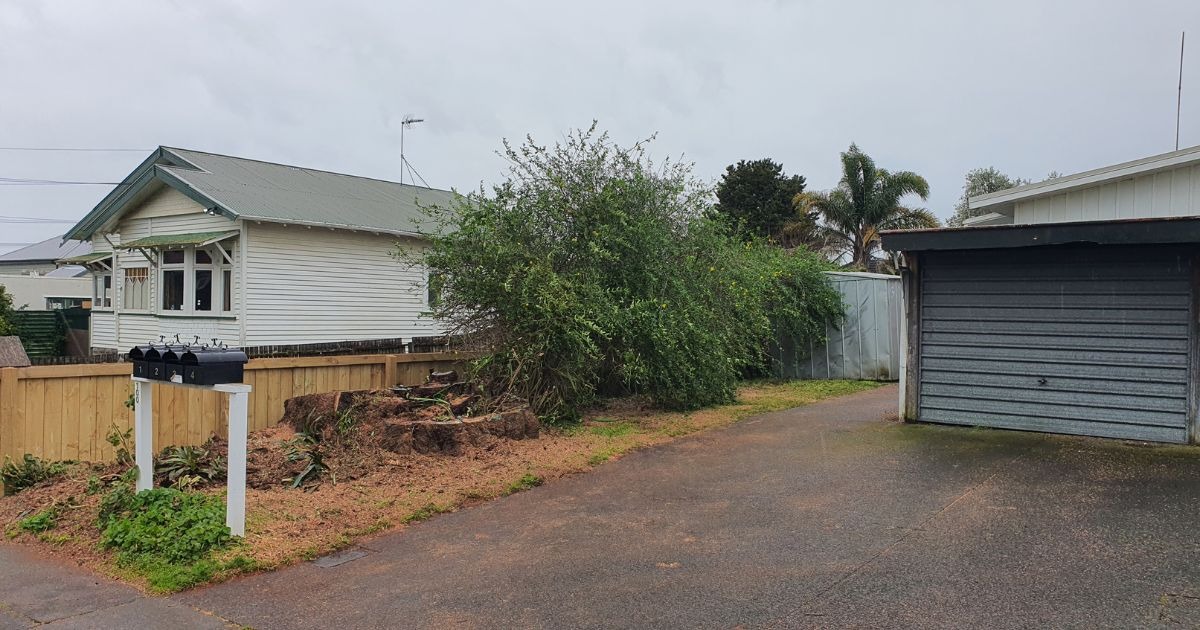
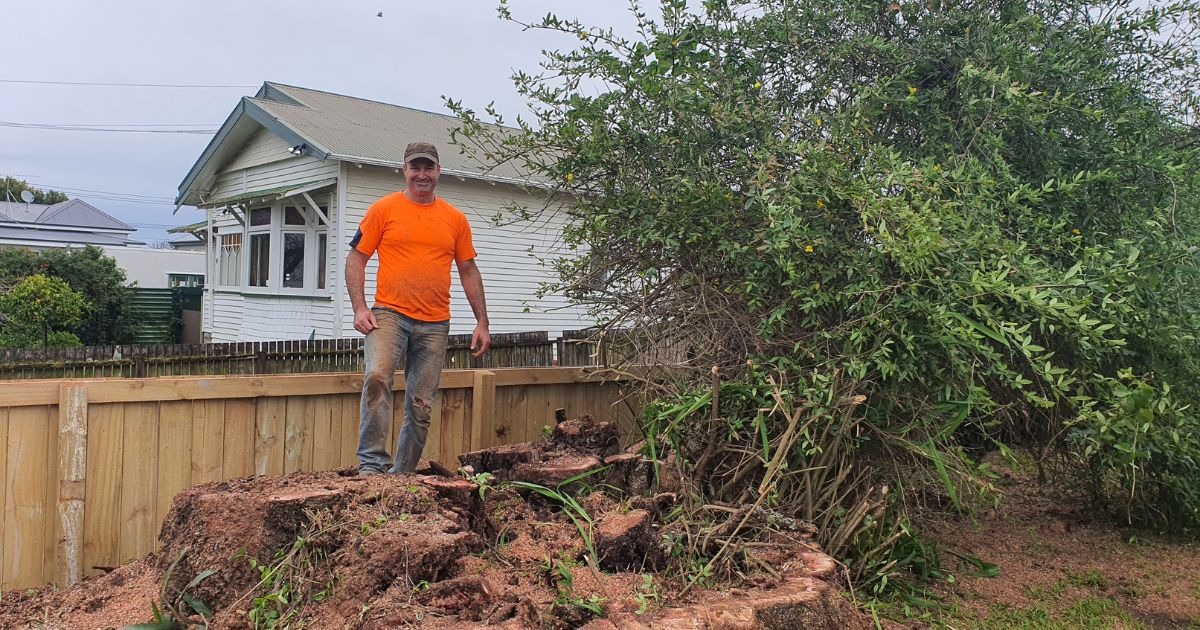
Tree stumps can take years to decay naturally and may impede future landscaping. Options include grinding the stump down or applying chemical treatments for accelerated decomposition.
Replanting Native Vegetation
Consider replanting with native flora to offset the environmental impact. Trees like Totara or Pigeonwood support biodiversity and align with New Zealand’s conservation goals.
Cultural and Environmental Concerns
Tree removal should respect both environmental and cultural values, including indigenous heritage.
Respecting Māori Traditions
- Trees may have cultural or spiritual significance for Māori communities.
- Engage with local Iwi to understand and respect these values before removal.
Promoting Sustainability
- Balance immediate removal needs with long-term environmental care.
- Support tree-planting or join local reforestation projects to offset removal.
Take Action for Safe and Ethical Tree Removal
Tree removal can be a complex process, especially in New Zealand, where regulations, native flora, and cultural considerations intersect. Whether you’re considering tree removal for safety, property improvement, or landscaping, be sure to approach it responsibly.
If you’d like a clear plan and a competitive quote for your site, get in touch with our team. We’ll confirm the safest option, expected timing, and how we’ll manage access and clean-up.
.jpg)
Frequently asked questions about tree removal in NZ
Tree removal can be complex. Here are answers to common questions to help you make informed decisions.
Can I remove a small tree on my property without council consent?
In many cases, yes. Small trees that are not a protected native species and are not covered by specific district plan rules can often be removed without consent. However, it is always safest to check your local council's rules first, as regulations can vary.
What is the cheapest time of year to arrange tree removal in NZ?
Late winter to early spring (the dormant season) is often the most affordable time. Demand for arborists is typically lower, allowing for more flexible scheduling and potentially better rates. Emergency or storm-damage work during peak season will always be more expensive.
Why do quotes for tree removal vary so much between companies?
Quotes can vary based on a company's level of insurance, the quality of their equipment, their safety procedures, and their overheads. A very low quote may indicate a lack of proper insurance or experience. Always choose a qualified, insured arborist to protect your property and ensure compliance.
How long does a typical tree removal job take?
A small, straightforward removal might take only a few hours. A large, complex tree near a house could take a full day or more. We will provide a clear time estimate in our quote so you can plan accordingly.
Is stump grinding included in tree removal, or is it a separate service?
Stump grinding is almost always a separate, optional service. A standard tree removal involves cutting the tree flush to the ground. If you want the stump and surface roots ground out below ground level, let us know, and we will include it in your quote.

Contact us today
09 281 0120
Contact us today for a free consultation. Our expert arborists in Auckland will discuss your specific needs and provide a solution that fits within your budget. Let us help you reduce your property ownership costs with expert tree and garden care from Growth Maintenance.